
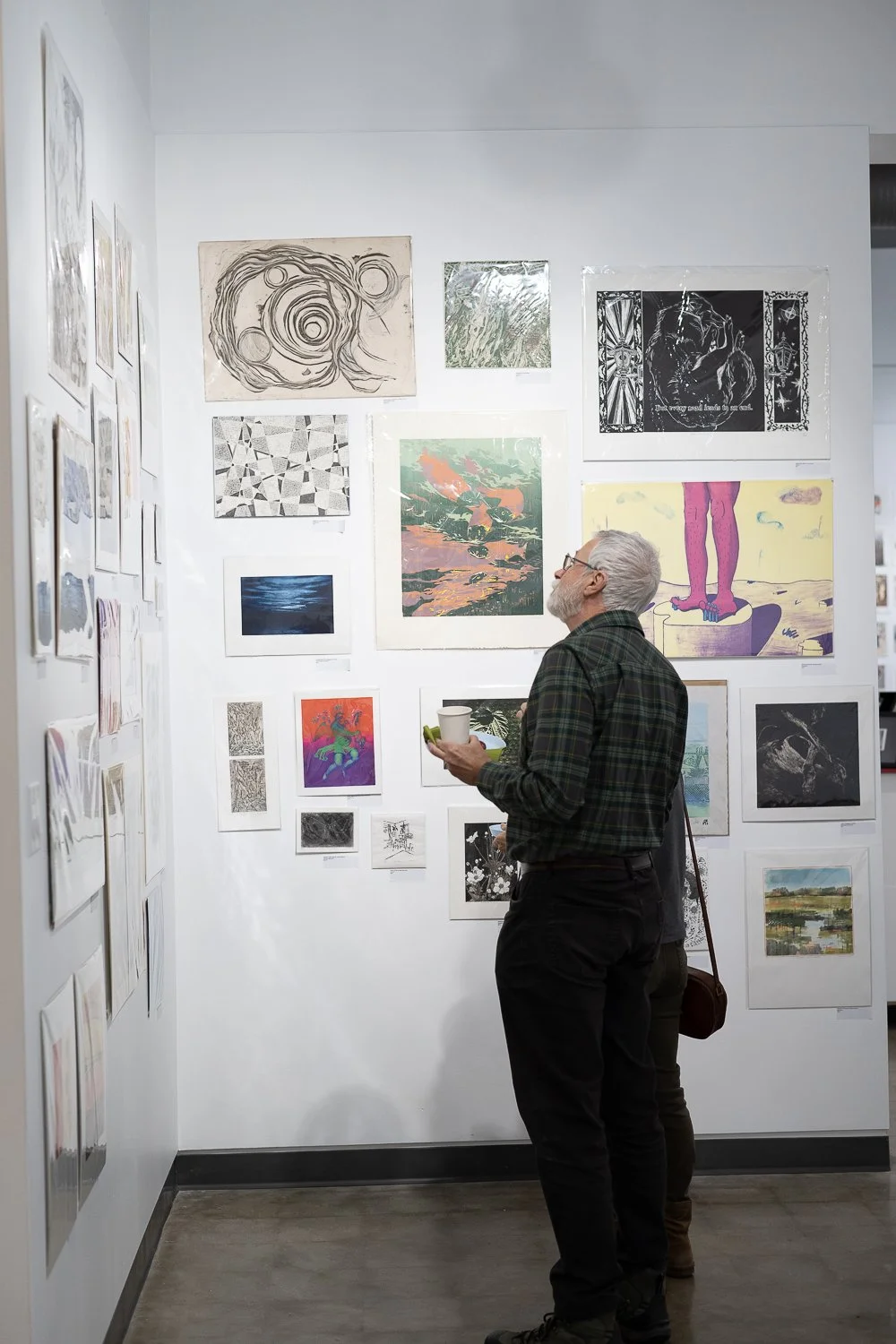
2026. SNAP hosted 13 Exhibitions across our two main galleries. We Launched our Growth Gallery, and exhibited four exhibitions in that space, including our revived members exchange as the inaugural exhibition.
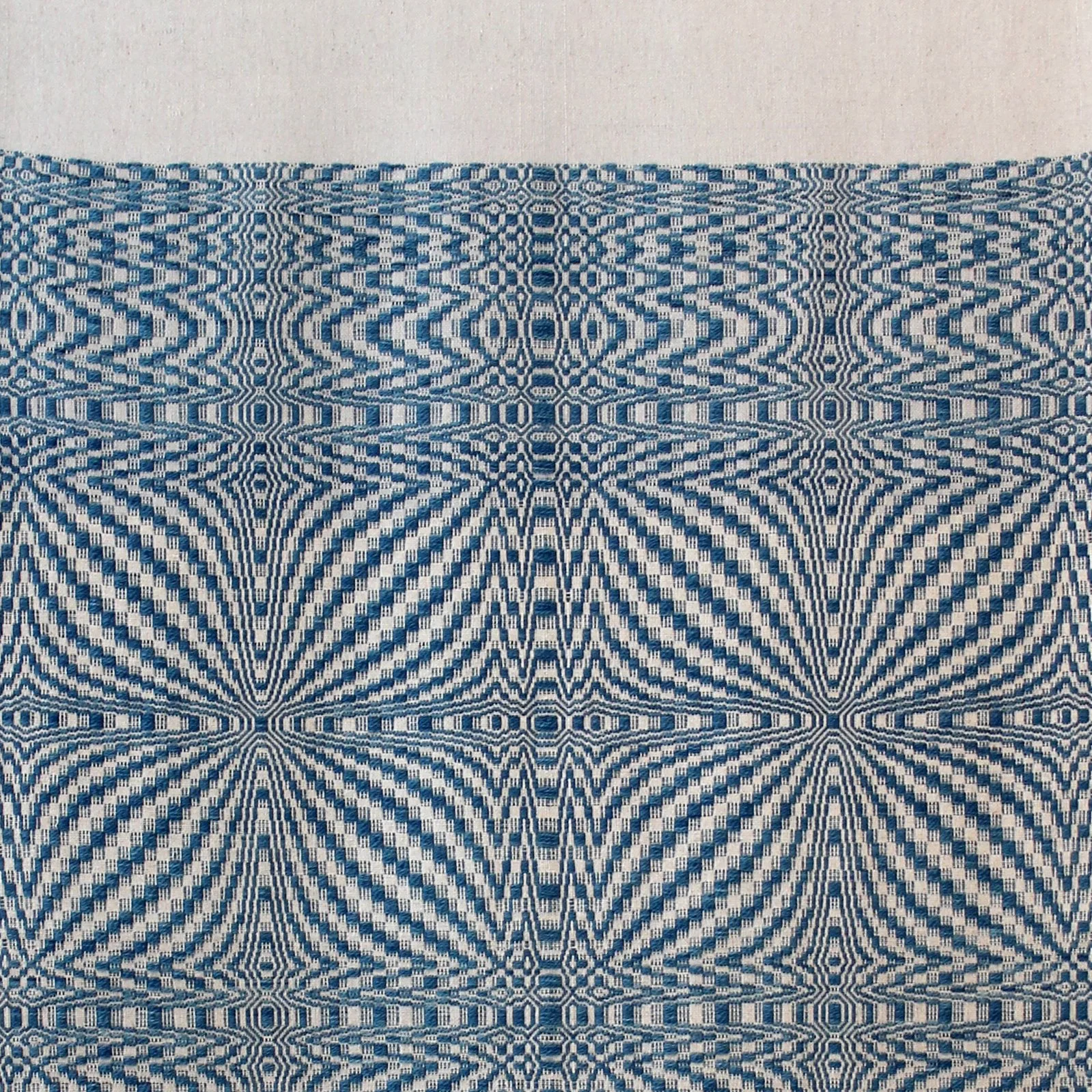

For Keeps / Jeanette Johns
Jan 17- Feb 21
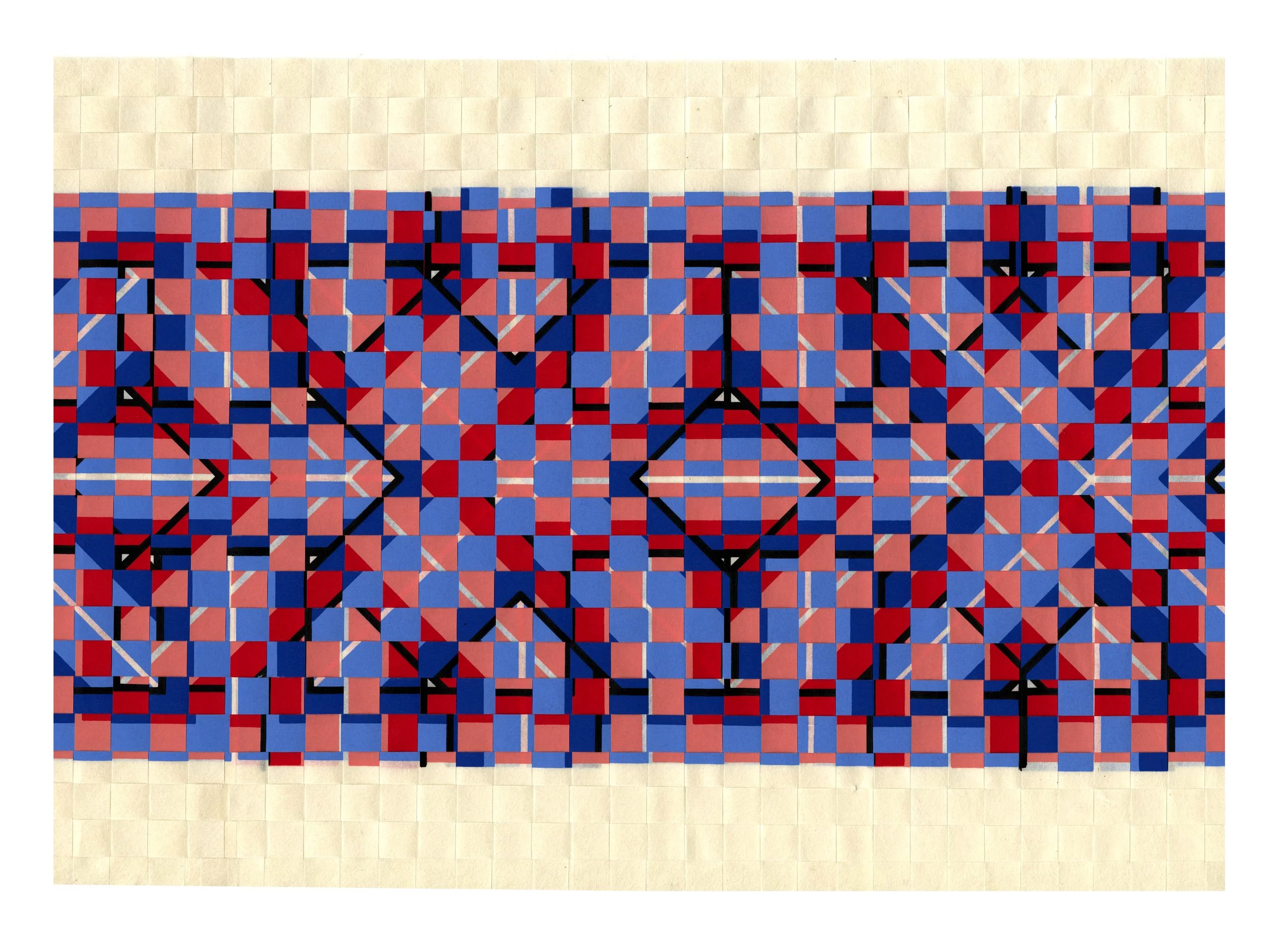
The pieces in For Keeps reveal visual vibrations and how they influence on our perception of space. They also reference the use of samples in weaving and how they relate to value, knowledge, and creation. The patterns create a gateway to investigation—how do samples test limits and iterate permutations while not necessarily knowing when or if it will become a finished work. The idea of a sample interests me because it highlights the potential inherent in a process; it is dense with information and an invitation to repeat or go further.
Auld/ Thomas Weir
Jan 17 - Feb 21
“Auld” is an exhibition of printmaking and visual art focused on exploring and examining the Mysterious and the role of Mystery & the unknown as they relate to visual art and art making, and the ways in which these ideas and how they push an artist to question/imagine what a final artwork might be, and how any answer to these questions can only be made found through the process of making something and entering into the unknown and in turn allowing the creation of the artwork and the artistic process to lead the artist & what they make and discover something.
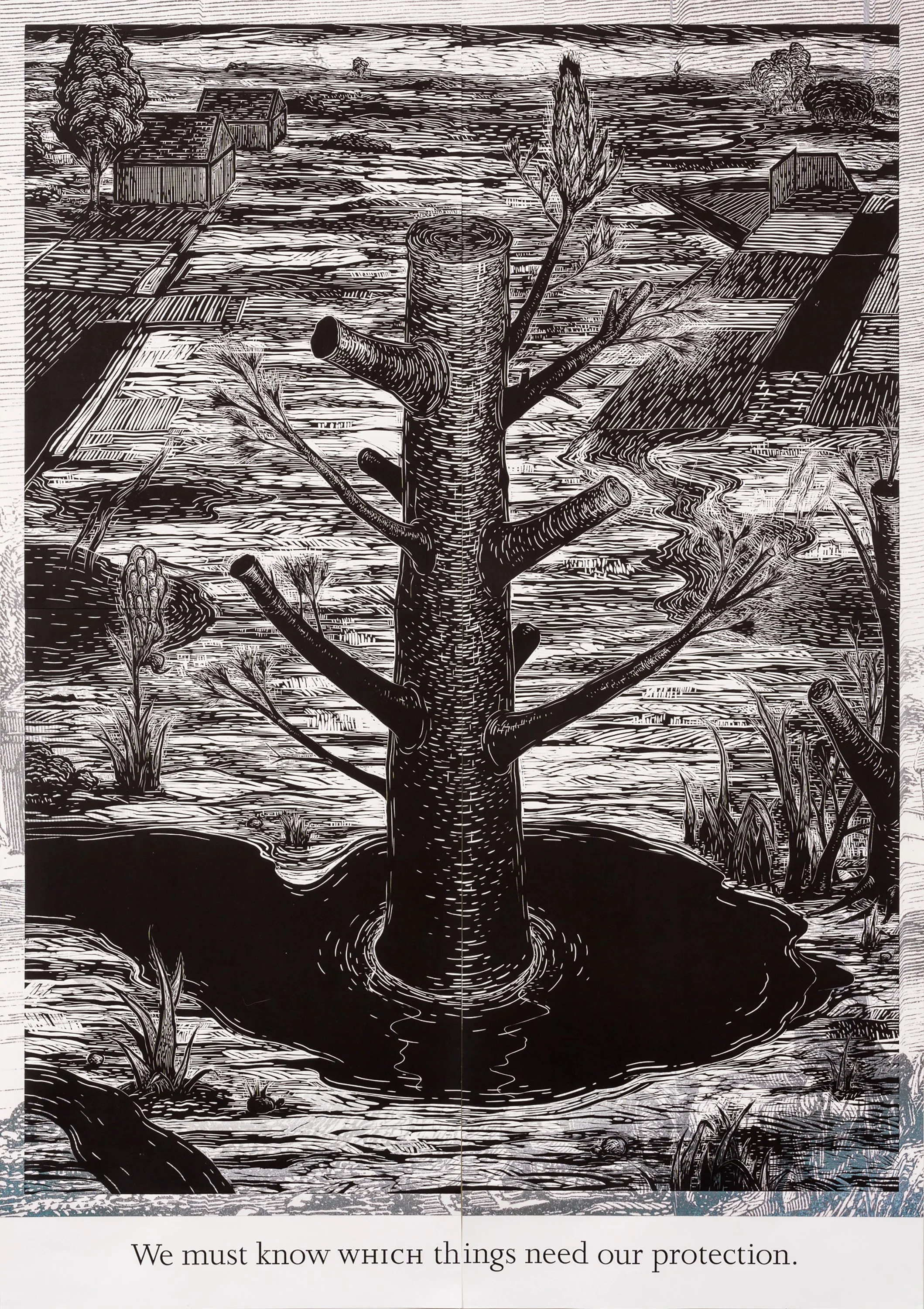
A Tragedy of the Commons / Sean Caulfield with text by Steven Hoffman and typography by Susan Colberg.
Mar 7 - April 4
A primary motivation behind this work is the urgent need to address the social polarization that often leads to environmental or political inaction. I am interested in how visual art can create a space for difficult conversations. By utilizing the traditions of printmaking as a dissemination tool, I aim to foster a space where communities can engage in respectful, nuanced debate about the long-term health of our society.
Ultimately, my practice seeks to investigate how the aesthetic experience can bolster a healthy liberal democracy. I view the exhibition not as a finished statement, but as a starting point for public exchange. To that end, my vision includes integrating community workshops, such as text-and-image collage or “paste-up” sessions and musical performances, to demystify the artistic process and empower individuals to visualize their own roles within the “commons.” Through this work, I hope to stimulate critical thinking about our shared resources and the collective systems that connect us all.
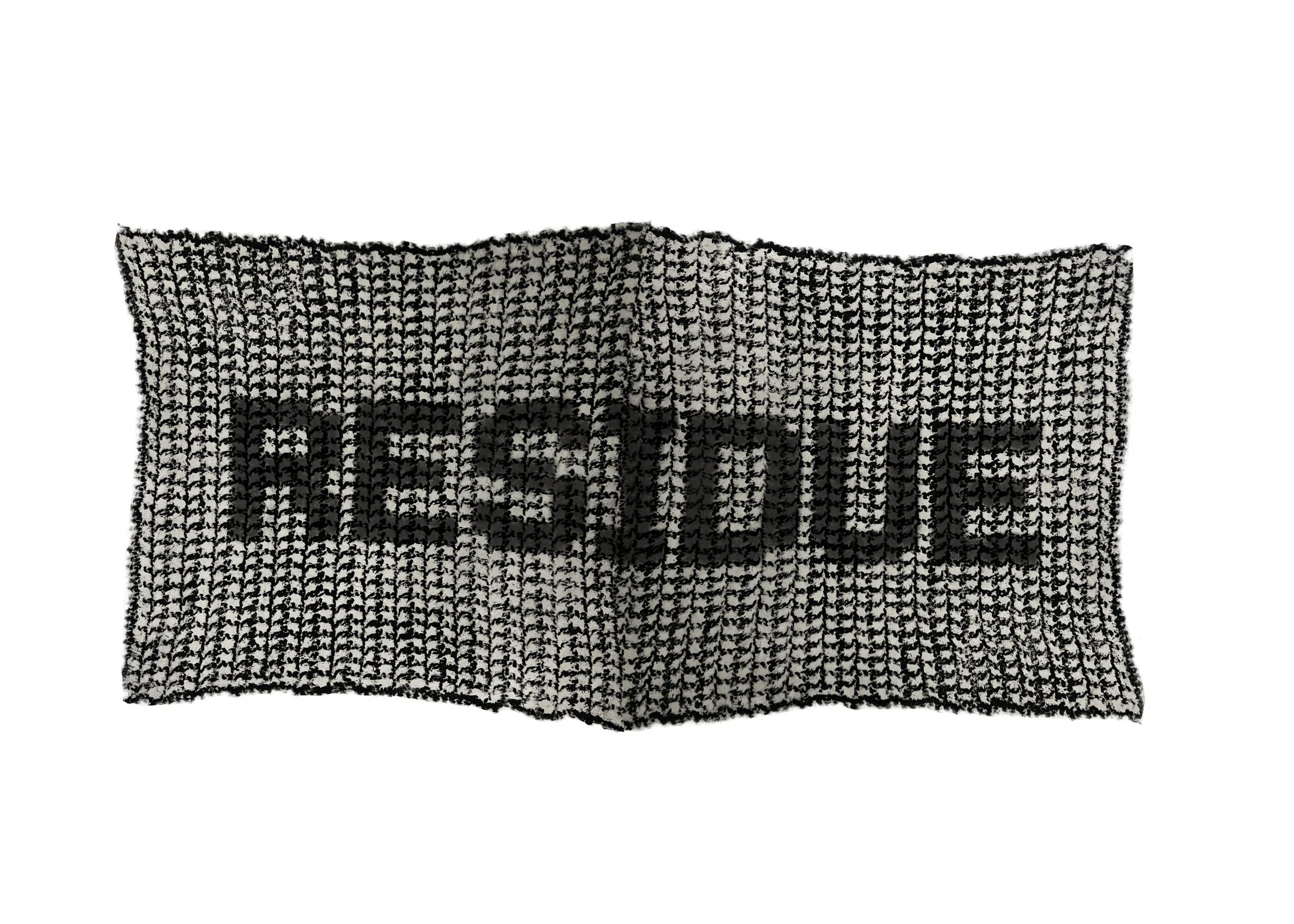
Residue / U of A senior Print Class.
April 18 - May 9
Residue. is an exhibition of print works by senior undergraduate printmaking students at the University of Alberta. Through artist books, etchings, lithographs, screenprints, and print installations, the artists reflect on nostalgia and memory while grappling with new belief systems and a shared yearning to envision alternative worlds.
Artists
Lily Barschel, Jagoda Bolesta, Tia Bunnage, Lucas Deary, Sophia Grace Foder, Peri Glimm, Taylor Lambert, Liam Macgregor, Alyssa Magnusson, Kay Peters, Fiona Rintoul,
Isabella Rodriguez Chaparro, Al Young, Yuxin Liu, Amber Azcorra-Dahl.
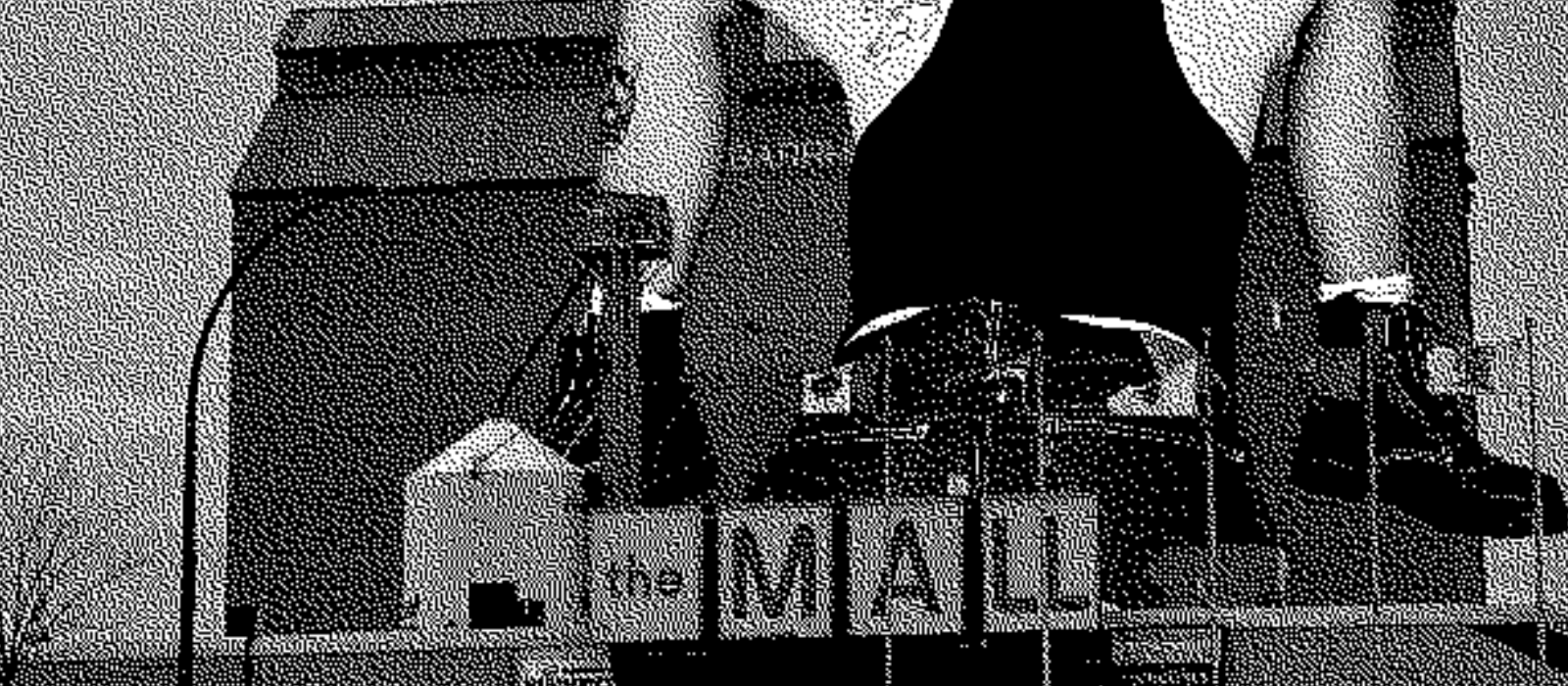
In Hindsight / Victoria Day
Jul 4 - Aug 1
‘In Hindsight’ asks: What makes something influential? The experiences that have the ability to fundamentally alter who we are do not follow a logical pattern, at least not one the artist can see. Moments small or monumental can cause a change in our perspectives that we cannot turn back from. For Day, a monumental change came during the Covid-19 pandemic, when a sharp rise in anti-Asian sentiment and violence forced them to confront the reality that being a visible minority comes with consequences out of their control. Day was always interested in parsing out the building blocks of their identity but resisted acknowledging that being a person of colour had to be one of them. That resistance was irreversibly dashed by events that were occurring on a global scale. This shift led to a powerful urge to reconnect with their heritage, and naturally Day turned to art as a comfortable inlet. Through the study and presentation of traditional Korean art forms, Day strives to celebrate their heritage and create moments of validation and connection within their mixed-race and diasporic Korean communities. Day’s work is a visual representation of the nuances of these liminal identities and their struggle to feel connected to a culture they are categorized in. On this journey, they have found themself inspecting memories in their mind, turning them over and seeing for the first time the racial undertones of their life. These are the small moments that change Day; the microaggressions and slights unrecognized at the time, now clearly understood.
You know where your house is / Nadia Zamora Hernandez
Jul 4 - Aug 1
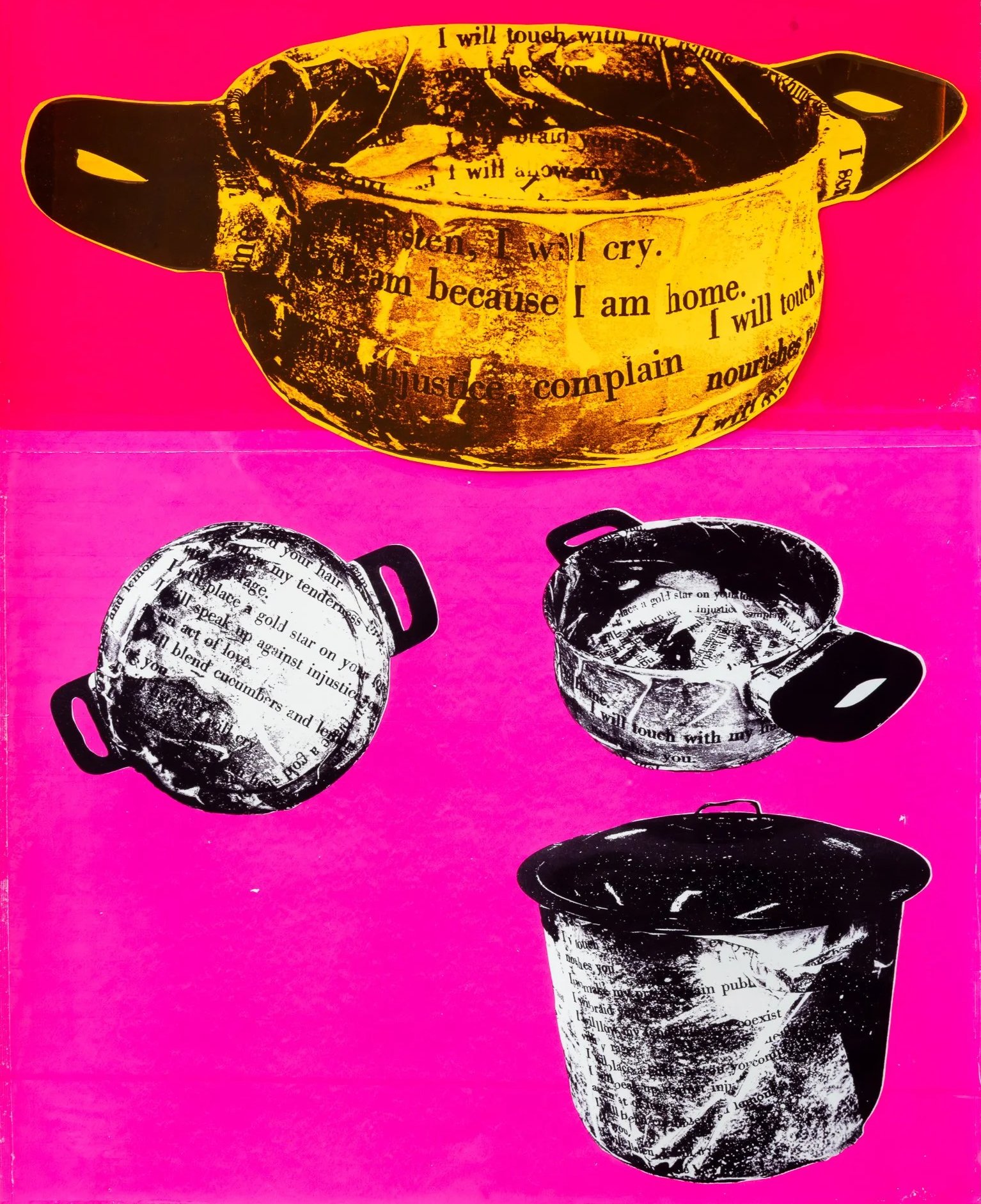
You know where your house is displays the unspoken mutual understanding that exists between those affected by gender-based violence, specifically, comprehending the vitality of protection and courage. The work explores care in its raw authenticity, its simplicity and its ritual nature. This body of work moves through the intimate architecture of the self: the house as body, the body as inheritance and the inheritance as a site of refusal and advocacy.
The main subjects of my work are the women that have taught me what it means to love and be loved: my sister, my mother, my grandmothers, my aunts, and my friends. My work is love letters to them, capturing moments of tenderness and softness while encouraging rage and anger. We are all haunted by the identities we inhabit and the manner in which we navigate the intricacies of our personal journeys. I aim to depict the attention my body directs to the things it touches and its efforts to hide what has been tainted. In my art, I hint at and reveal pieces of personal stories of intimacy and shame. I am putting on display the embodied traces of painful experiences and the tenderness and care our bodies carry. Between confession, and instruction, the work traces care, gender, and the quiet violences embedded in the everyday.
Special thanks to my sister, Monserrat.
Dree Beaudry, Jade Chan, José Javier Sánchez Acuña, Emily Hayes, Kay Peters, Georgia Quinlan and Jason Hunter
hauntings / Agata Garbowska
Aug 26 - Sept 26
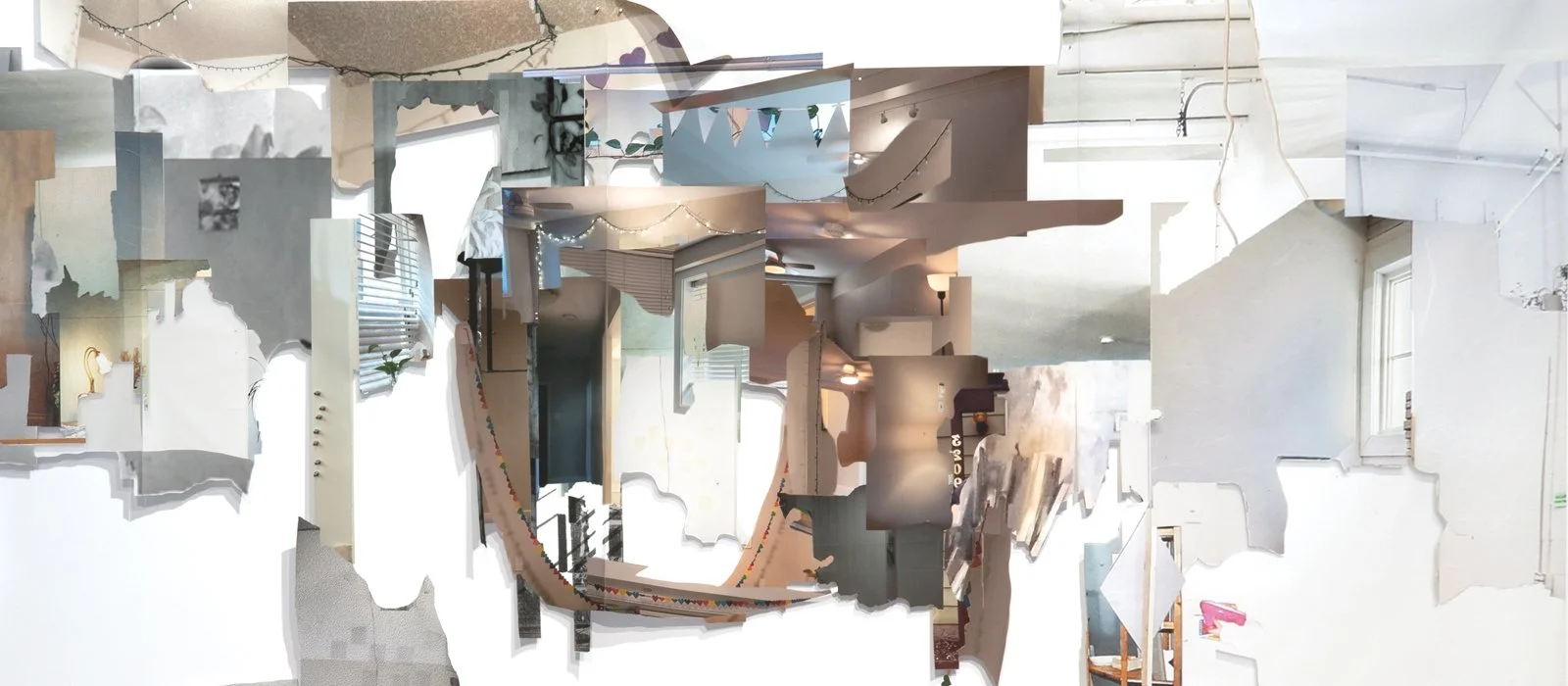
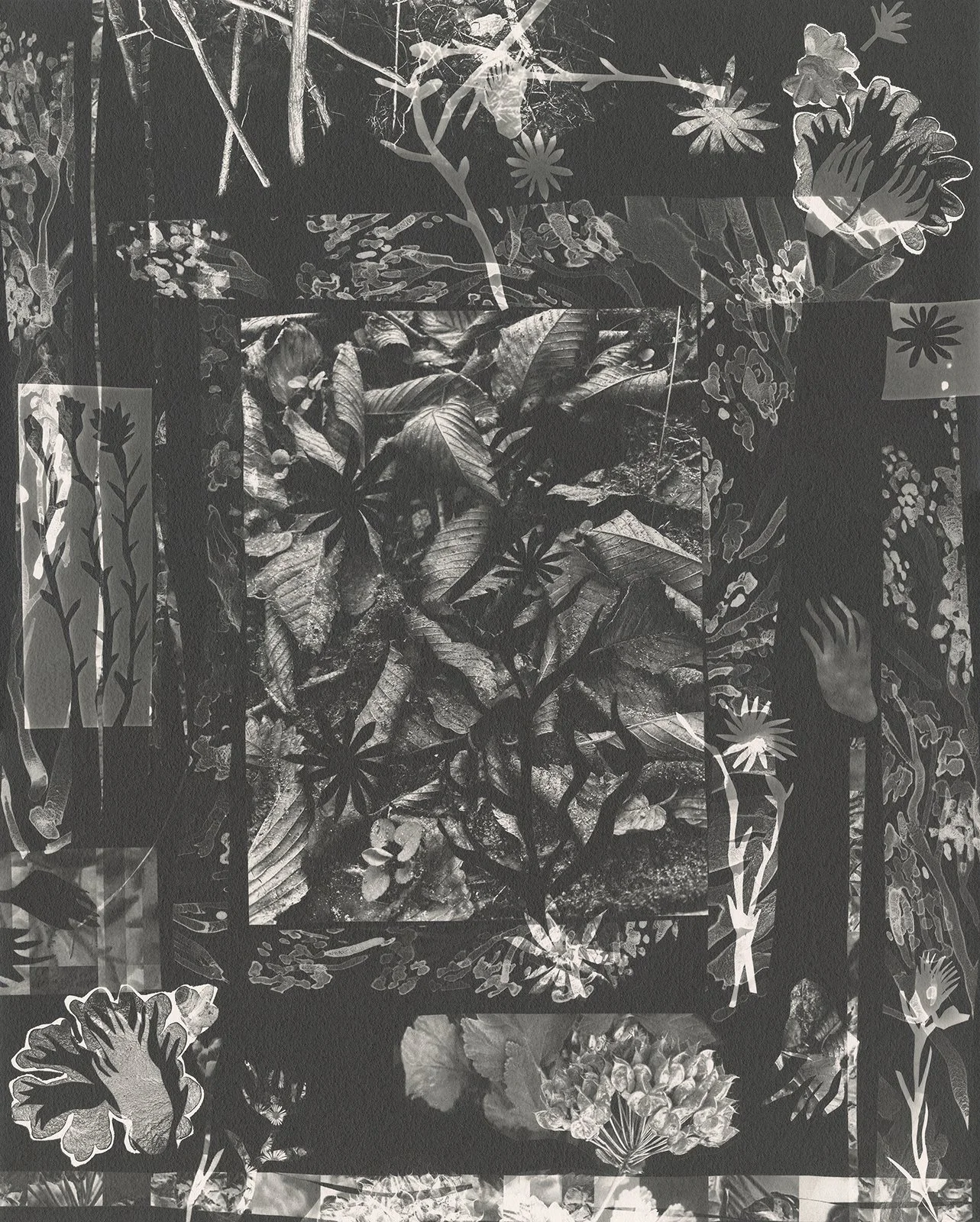
Drawing on personal archives—family photographs, personal photography, and previously printed work—hauntings is a collection of remembered fragments, printed and assembled into imagined spaces. Repeatedly re-photographed, re-printed, and re-collaged, photographs found in family albums combine with photographs of the present to form images haunted by both memory and process.
fields / Friday Smith
Aug 26 - Sept 26
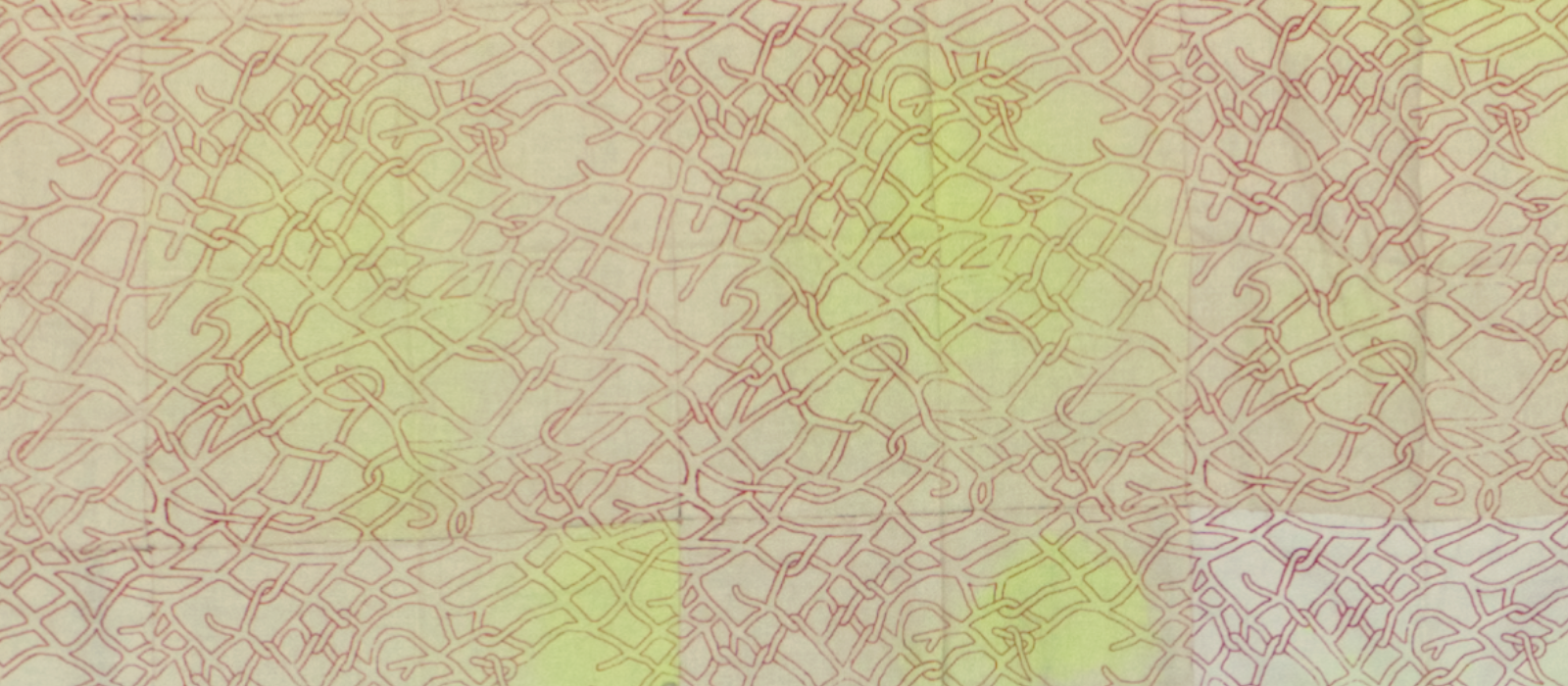
fields is a web of grief, divination & dying. Made up of screen printed quilts, the show uses repeating patterns to illustrate a dense unending network of life & decay that we are all entangled in. Through these soft and porous windows, the viewer is invited to interrogate the boundaries between the living and the dead.
A Night Garden / Noelle Wharton-Ayer
Oct 10 - Nov 7
above below beneath beside / Gracie Safranovich
Oct 10 - Nov 7
and the sleeper shall see what he has dreamed / Moozhan Ahmadzadegan
May 23 - Jun 20
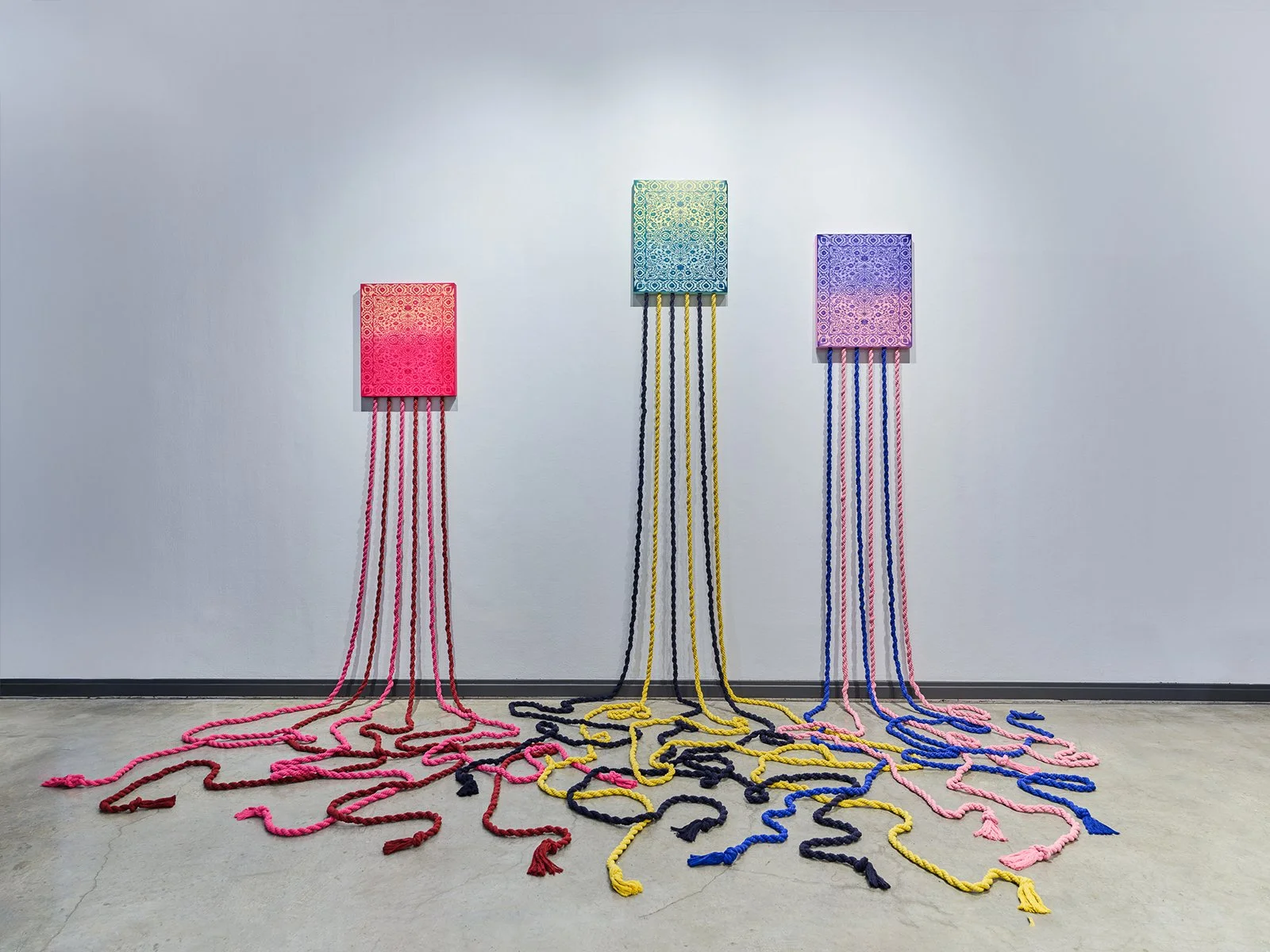
In his exhibition, and the sleeper shall see what he has dreamed, he examines traditional Iranian art such as Persian miniatures, patterns, rugs, architecture, and poetry, and reimagines them through a queer lens. Drawing from his subjectivity as a queer person of the Iranian diaspora, Moozhan inquires into ways visual art can symbolically carve out space for queer narratives within historically heteronormative frameworks. By queering traditional Persian visuals and narratives, he reinterprets, reimagines, and reconfigures these elements to create new meanings and assert the long history of queer and gender diverse identities. He does this by referencing historical objects as an allegory for the history of queerness through literal and symbolic gestures. Persian Carpets are reimagined through the interplay of materials; their placement and scale disrupted, contradicting their original intentions. Persian Miniatures are recreated with contemporary methods, reflecting long traditions of story telling and illustration. These new objects look back on old traditions and carry them into the future. They offer the potential for new narratives and hopeful futures.
We are each other’s / Salem Smith
May 23- Jun 20
we are each other’s acknowledges our precarious future by reimagining the mundane through the lens of loss. Salem Smith’s trinkets, iPhone photos, and notes app love letters become protective talismans constructed from wrapping paper and bright patchwork images. Smith employs screenprinting to tile together large images to mirror his fragmented yet whole sense of his own gender and belonging. Intimate household objects act as offerings to explore how love, death, and transitioning intersect, drawing on concepts of past lives and ancestral veneration. This work, both a celebration and a preemptive grieving, imagines the space as an altar to love itself.
SNAP Members Show and Sale
Nov 21 - Dec 16